Flowers wilt. Wine gets drunk. The panic of a 9pm text from an ex lasts indefinitely.
If you’re searching for the best gift for someone going through a divorce, you’ve probably already figured out that traditional gestures of sympathy don’t touch the logistical and emotional chaos of betrayal. Your friend doesn’t need more reminders that their life has fallen apart. They need specific tools to get through the wreckage without collapsing. A gift for breakup or separation has to bridge the gap between vague emotional support and the concrete reality of legal filings, co-parenting schedules, and shattered trust.
Why Practical Tools Beat Sentimental Gestures During Divorce
Sympathy gifts offer momentary relief. Decision frameworks offer lasting use during the most disorienting period of your friend’s life. The initial shock of discovery, or the grinding fatigue of litigation, creates a fog that makes even simple choices feel impossible. A resource that structures those decisions is worth more than a plush blanket.
You might worry a practical tool feels too clinical for such a raw time. It isn’t: structure is what makes safety possible when emotions are volatile and unpredictable.
Friends in crisis need structure for specific flashpoints more than they need comfort, because the pain is constant but the demands are intermittent and urgent. S.J. Howe built these frameworks from lived experience with betrayal and separation, co-authoring with a counselor to keep the guidance clinically precise as well as personally validating. It respects the depth of the trauma without letting the recipient drown in it. A handhold, not just a tissue.
Gifting a Course Instead of a Care Package
Physical divorce care package ideas usually involve snacks, journals, and bath salts, which assume the primary problem is stress rather than systemic collapse. Self-care matters. But it won’t help someone figure out how to respond to a hostile email, or document financial discrepancies before a mediation session. A self-paced digital toolkit gives someone overwhelmed by vague advice and paralyzed by the volume of decisions they face daily something they can actually use.
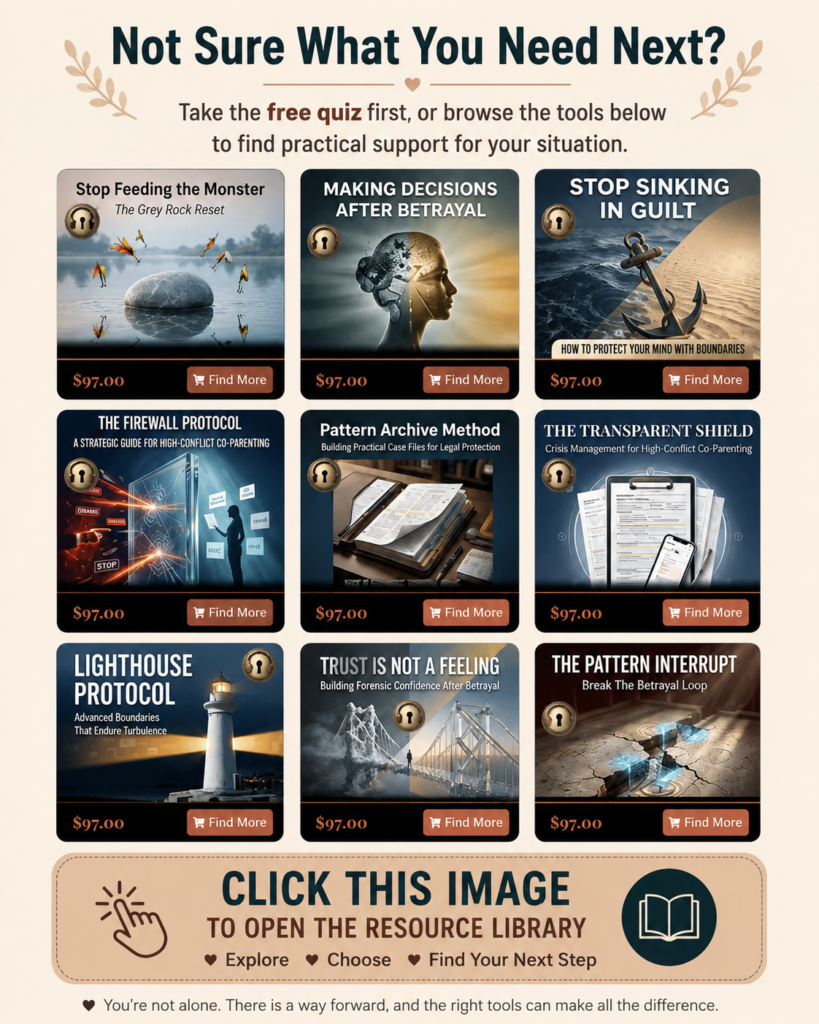
Digital resources work around the erratic schedule of someone navigating family court and single parenting in a way physical items can’t. After the Affair Hub offers nine distinct $27 self-paced courses, built as toolkits with checklists and audio frameworks, positioned as supplements to therapy rather than replacements. You can check the affair recovery course cost breakdown to see how that price point lets you give something substantial without creating a sense of obligation or debt.
Access happens instantly at 2am when insomnia hits. A physical box just sits unopened on the counter.
Practical Support for Someone Cheated On: Scripts Over Sympathy
Wondering what to send a friend whose husband cheated usually comes down to one thing: helping them find their voice when betrayal has silenced them. Betrayed partners often lose the ability to advocate for themselves, because gaslighting and trauma have eroded their trust in their own perception of reality. Communication tools with exact words for confronting betrayal, or setting initial boundaries, restore agency faster than reassurance ever could. They give someone a script for when their own mind goes blank.
Recipients get exact scripts for specific hard moments: how to respond to a guilt-trip text, what to say when a child asks about the affair. Not general emotional advice, but precise language tested in real high-conflict scenarios, which you can explore further through resources like scripts for difficult ex communication. Having the right words ready prevents reactive responses that could later get used against them in custody evaluations or legal proceedings.
This kind of practical support validates their pain by taking it seriously enough to equip them for battle.
Thoughtful Gifts for High-Conflict Co-Parenting Situations
Documentation tools and parallel parenting templates are critical gifts for friends navigating custody disputes, where every interaction carries potential legal consequences. High-conflict co-parenting demands a level of organizational discipline that’s nearly impossible to maintain while grieving the loss of your family unit and running a household alone. Organizational frameworks cut the cognitive load during legal proceedings by taking the mental tracking off your friend’s plate.
You can give the gift of reduced anxiety: a system that captures what’s needed without demanding constant vigilance. Checklists for exchange days, templates for BIFF responses, audio guides for regulating the nervous system during handoffs, these turn abstract coping strategies into tasks someone can actually execute. They treat co-parenting with a difficult ex as a skill to learn, not an instinct that should magically appear under pressure.
Structure protects kids from adult conflict by removing ambiguity from interactions.
What Not to Say or Send When Gifting for Divorce
Generic self-care items and platitudes minimize the complexity of affair recovery by implying the grief is just stress that needs relaxing. Avoid anything that suggests silver linings, new beginnings, or the idea that everything happens for a reason. Those messages invalidate legitimate anger and devastation.
Don’t send books about forgiveness or healing timelines that assume a straight line to resolution. Gifts focused only on positivity signal that you’re uncomfortable with the messy, non-linear reality of their pain, and that you want them to feel better for your sake, not to be equipped to survive as they actually are. Forced optimism is abandonment dressed up as support.
Silence beats toxic positivity when you don’t have the right words.
How to Choose an Affair Recovery Resource That Fits Their Stage
Matching a course to your friend’s timeline means being honest about whether they’re in crisis, stabilization, or rebuilding mode. Someone forty-eight hours post-discovery needs grounding techniques and boundary scripts. Someone eighteen months out may need help navigating dating, or redefining identity outside of marriage. Understanding the difference between courses and therapy helps you position this gift as a tactical supplement, not a replacement for professional mental health care.
Watch their current friction points instead of guessing off a calendar. If they’re struggling with co-parent communication, a high-conflict toolkit addresses that directly. If they describe obsessive rumination over details, a discovery-phase resource gives them containment. Guidance on choosing the right recovery resource can help you match specific content to what you’re actually observing, without overstepping or guessing at their internal state.
A mismatched gift adds burden instead of relief. Accuracy matters more than sentiment here.
Giving the Gift of Agency in Crisis
Practical resources restore a sense of control when emotions are volatile and everything outside feels chaotic. The best gift enables action instead of passive coping. It tells your friend you believe they can handle this. Agency isn’t about rushing through pain, it’s about having tools reliable enough that the pain doesn’t turn into paralysis, so there’s still forward movement on the hardest days.
Your friend deserves more than sympathy. They deserve equipment for the terrain they’re actually crossing.